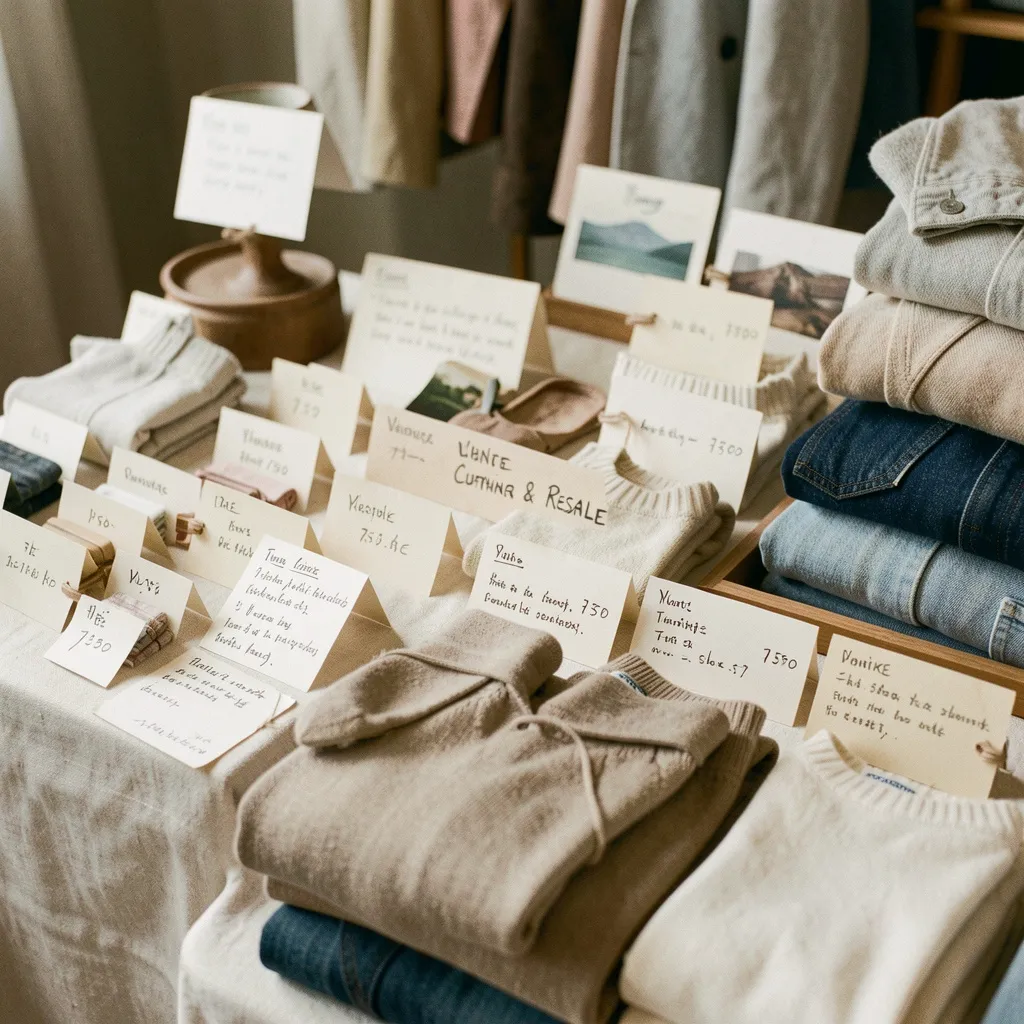
Environmental Impact Metrics
Resource Conservation
Water Saved
Extending the lifecycle of existing garments reduces demand for new textile production, which requires significant water resources for cultivation and processing.
Energy Reduction
Carbon Impact
By preserving and reusing vintage clothing, we avoid the energy consumption and emissions associated with manufacturing new garments from raw materials.
Waste Diversion
Landfill Reduction
Each curated vintage piece represents a garment kept out of landfills, contributing to waste reduction and supporting circular fashion principles.
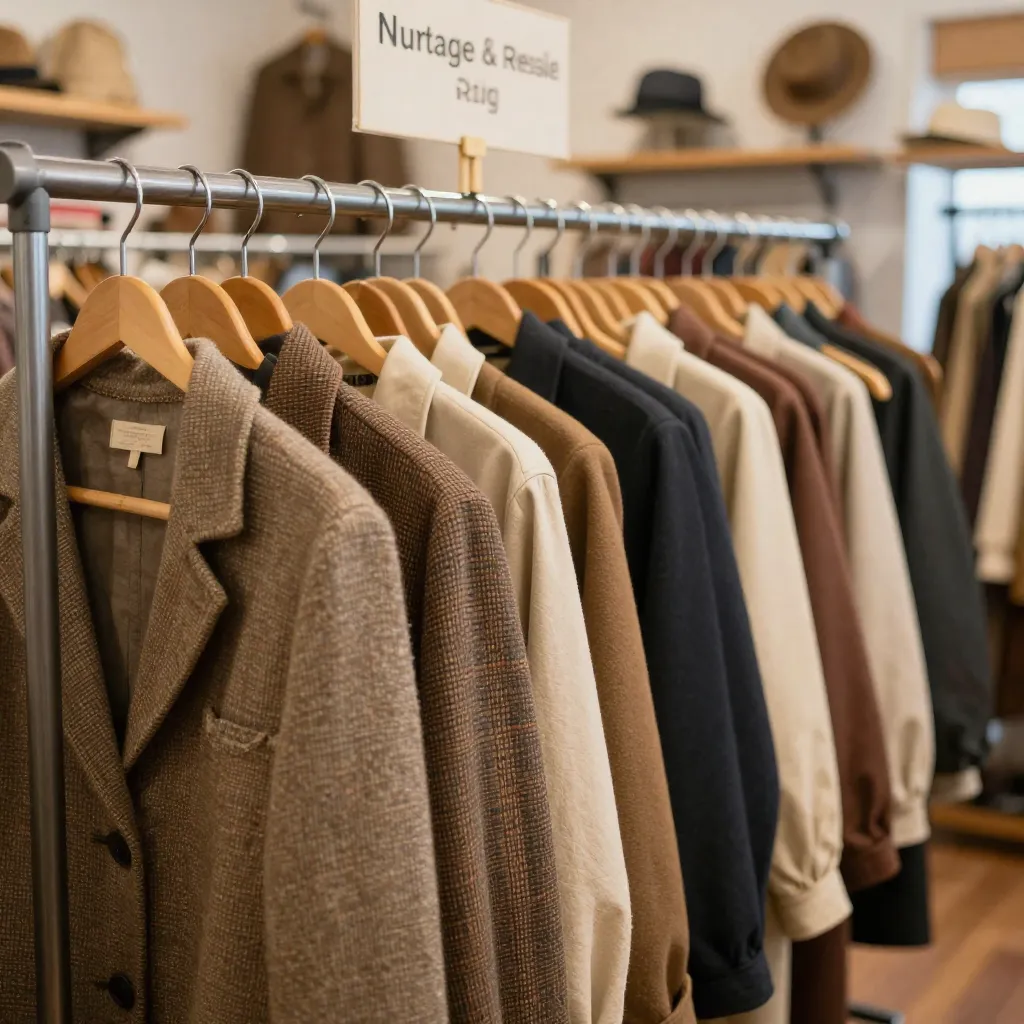
Lifecycle Stages
01. Raw Material Production
Traditional garment production begins with cultivation of fibers, requiring water, land, and agricultural resources. Vintage curation bypasses this initial stage entirely.
02. Manufacturing Process
Textile processing, dyeing, and garment construction consume energy and generate waste. Preserving existing pieces eliminates the need for new manufacturing.
03. Distribution & Retail
Transportation and retail operations for new garments generate emissions. Vintage curation involves minimal additional distribution compared to new production.
04. Extended Use Phase
By extending the usable life of garments through careful preservation, we maximize the value extracted from resources already invested in their creation.
05. End of Life
Proper curation and preservation delay the end-of-life phase, reducing immediate waste and allowing for potential future reuse or recycling opportunities.
Circular Economy Principles
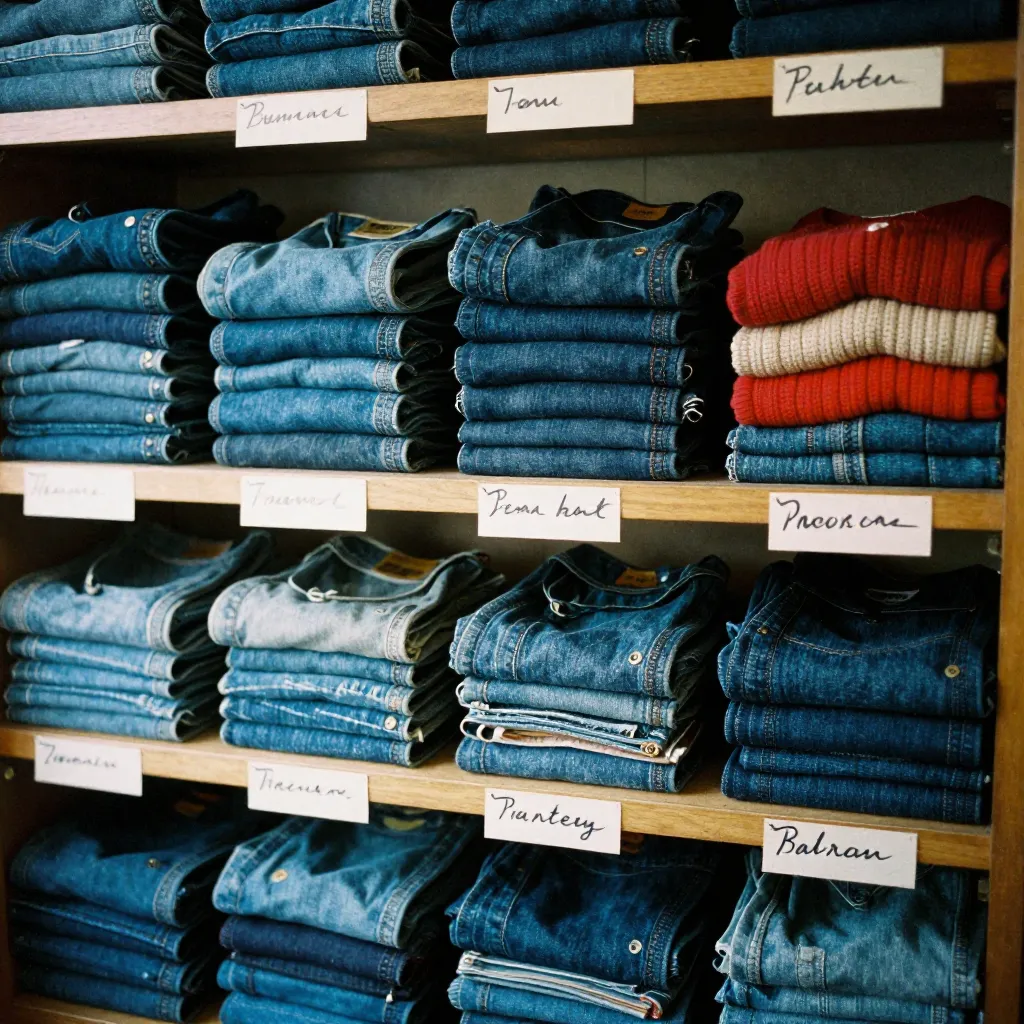
Reduce
By curating and preserving vintage pieces, we reduce demand for new production and minimize resource extraction from the environment.
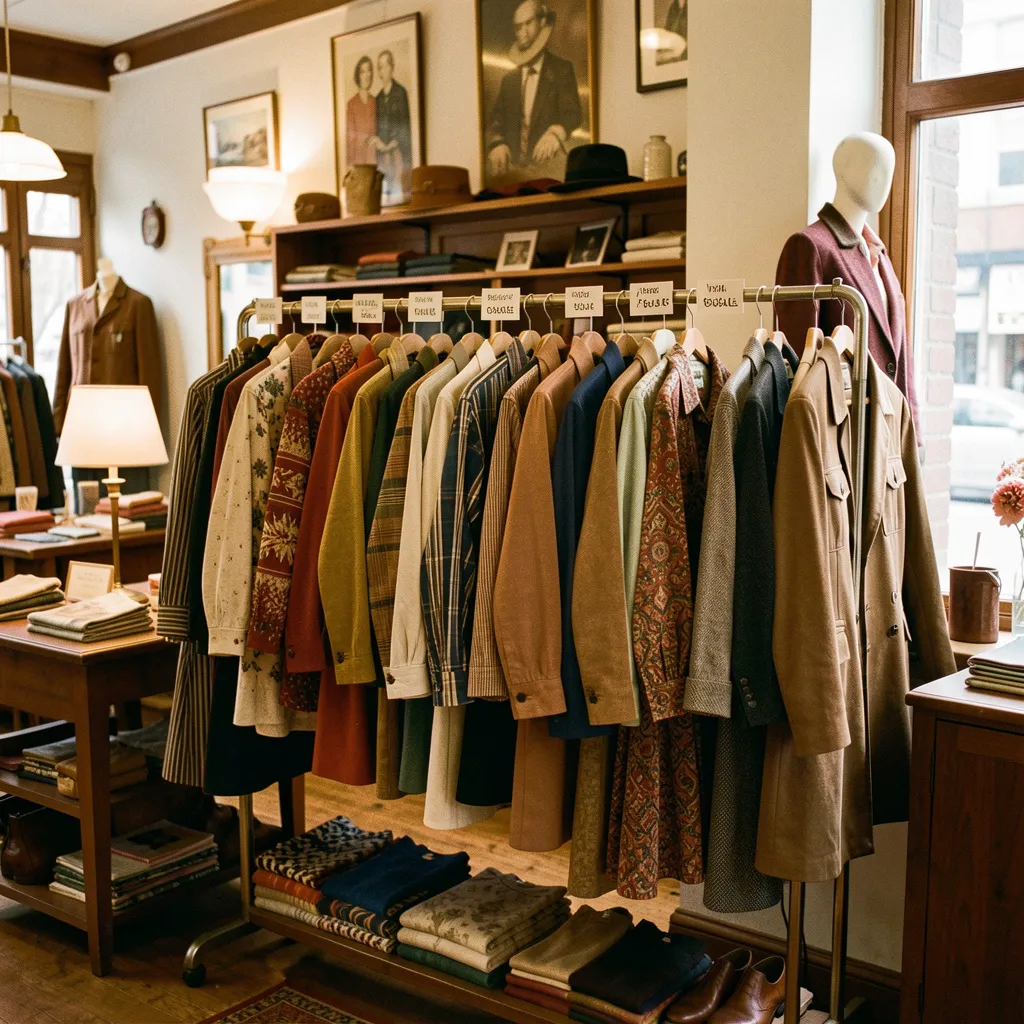
Reuse
Each vintage garment represents a successful example of reuse, extending its functional life and maintaining its value for collectors and enthusiasts.
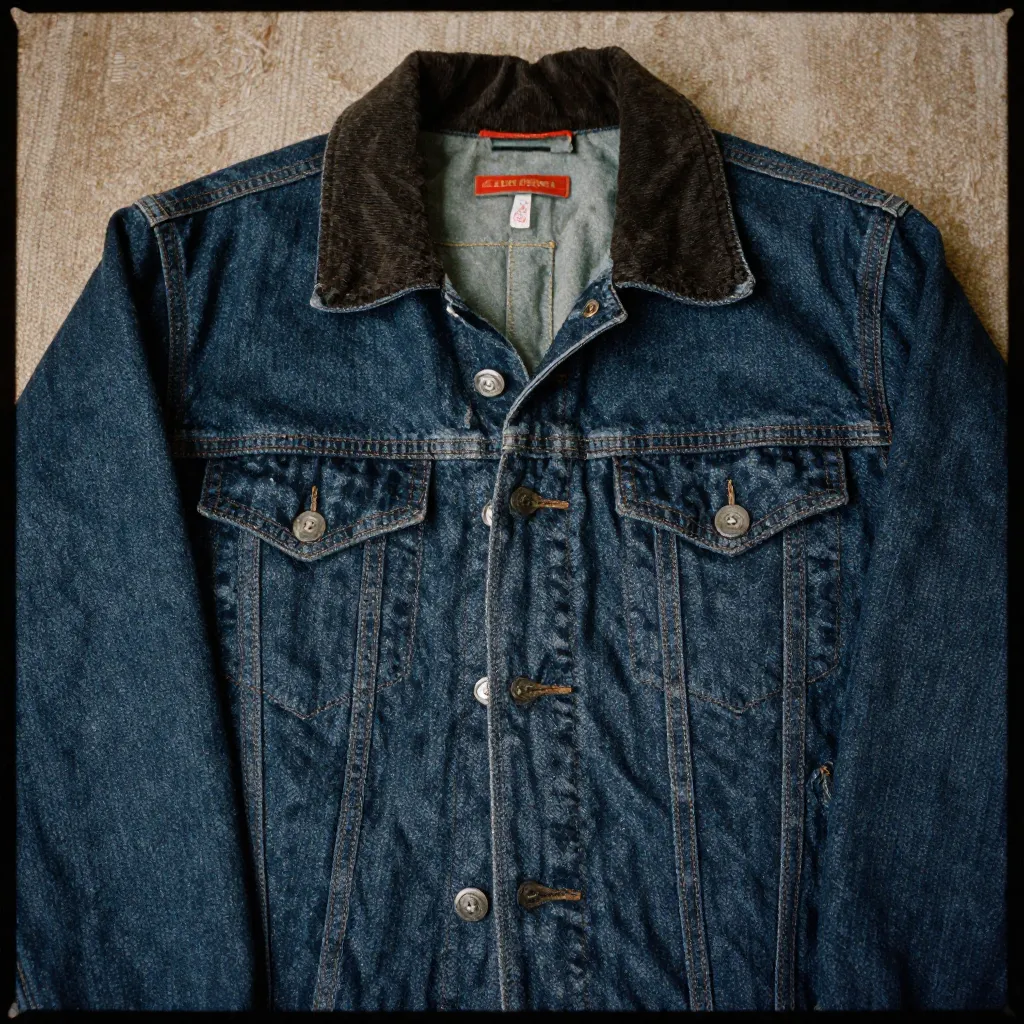
Preserve
Proper curation and documentation ensure that vintage pieces remain in usable condition for extended periods, maximizing their lifecycle value.